

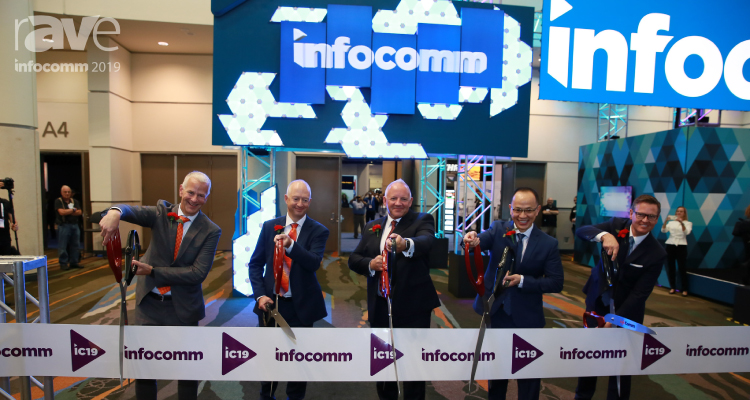

Over the years I’ve been in this industry (this was my 33rd InfoComm — 34th annual show with InfoComm/AVIXA though as my first, back in 1987, the show was called COMTEC — before the name was changed to InfoComm in 1988), the show has evolved from a technology-based show to a product-based show and, more recently, it’s become an applications-based show.
Never was that more apparent than at InfoComm 2019.
First, a GIANT shout-out to AVIXA CEO Dave Labuskes and his team for pulling off a beautiful event. The theming, branding and colorimetry of the show was not lost on me and was likely noticed by all 44,129 attendees (a new record for attendance, by the way). It was stunning. Second, thank you to AVIXA for an extremely fun Friday morning at the first, ever, AVIXA 5K at InfoComm.

Now, back to the themes of InfoComm 2019:
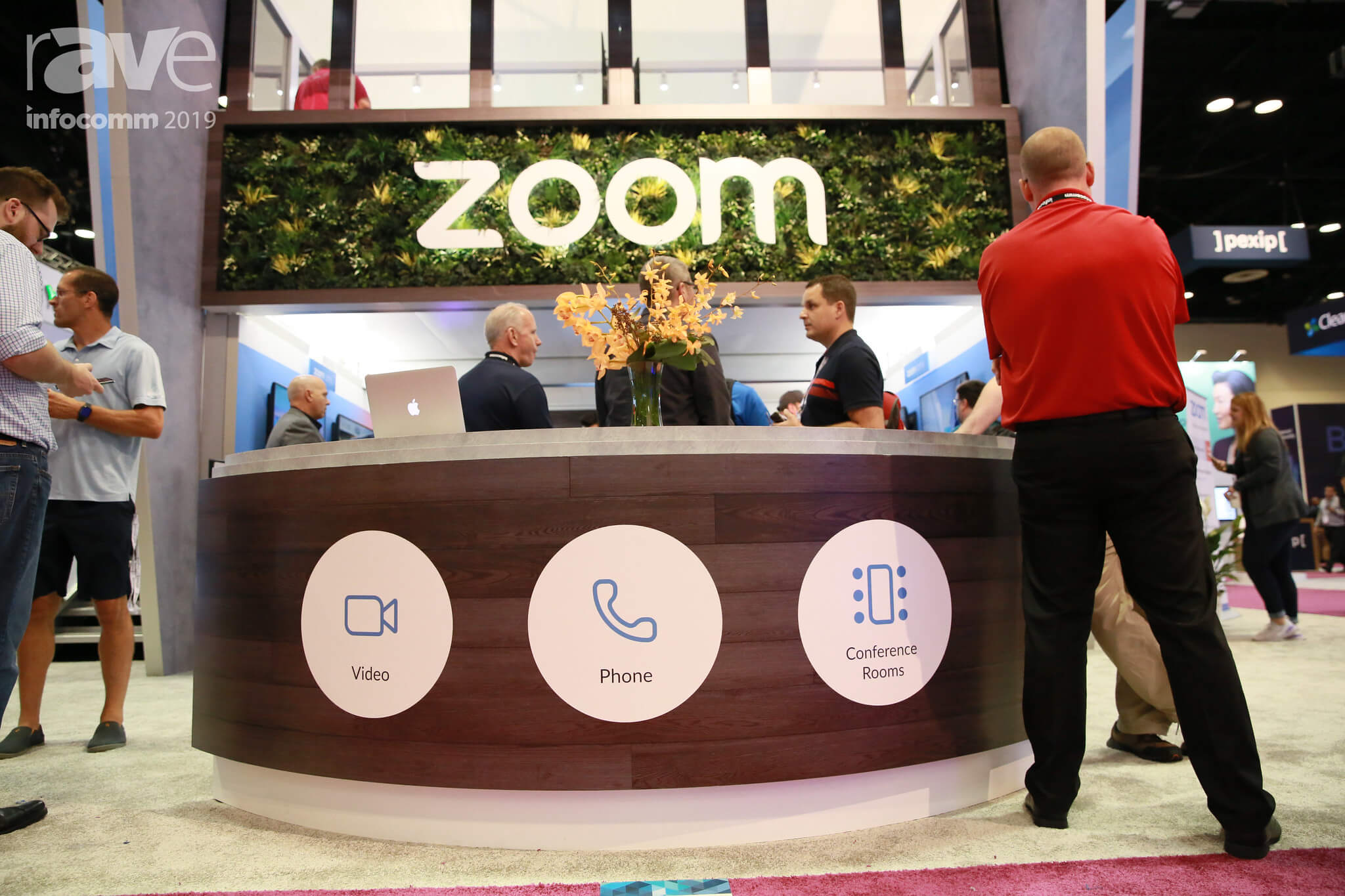
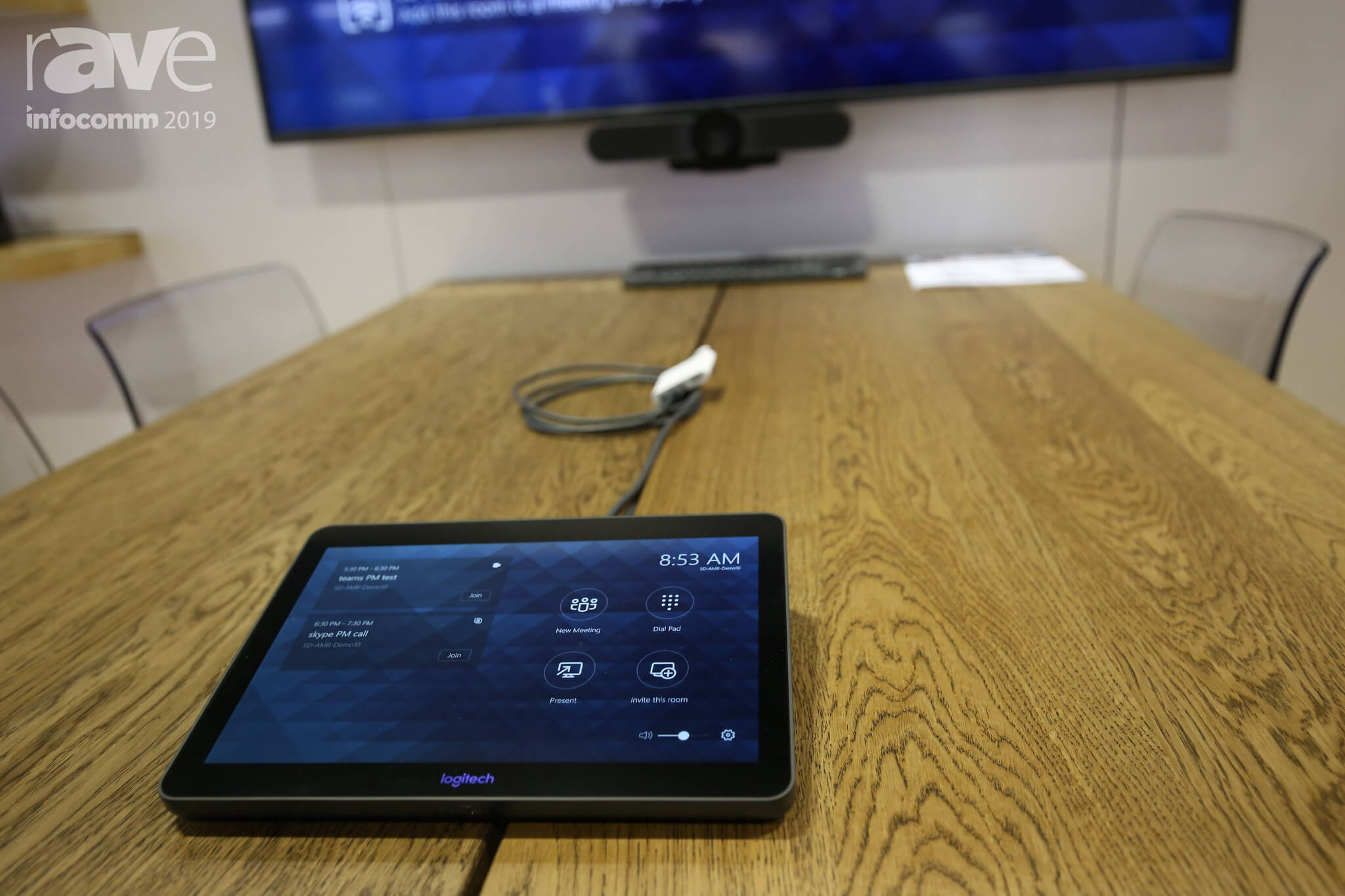
Collaboration: This one was obvious and was carried over from 2018. I doubt there was a booth on the show floor that didn’t hark the word “collaboration.” Thanks, MOSTLY, to Zoom Video Communications, collaboration is the buzzword that actually means something in AV. They transformed video collaboration over the past half-dozen years from a hardware-based to a software- and cloud-based industry. And, created an entire ecosystem along with it by simplifying the entire process.
4K (or 8K?): There’s a lot of talk about 8K, but no real action on it — but, kudos to Sharp, LG and Samsung and for showing a killer-8K displays, however! But, 4K is finally prime-time — especially since the world’s largest projector manufacturer, Epson, launched a native 4K 3LCD projector at InfoComm.
Speaking of Crestron, Where was AMX?: Noticeably missing from the InfoComm 2019 show floor was AMX. They did have a private suite, however. In fact, the suite had all the Harman brands — but not on the show floor. Hmmmmm. I’ll let you interpret that one yourself.
Wireless: This started out years ago as BYOD — thanks to Barco and ClickShare. But, now it’s wireless collaboration and BYOD. In a tiny booth manned by former Barco PR manager, Alison Maxson, was a company called ScreenBeam. Their entire presentation, for InfoComm 2019, was how they were cheaper and better than the ClickShare. They even had a competitive comparison chart showing their product up against the ClickShare and the Crestron AM200. Their big push was that they have a better story to tell regarding how secure their wireless technology is due to a partnership with Microsoft — much of it based on their guest-access feature — a feature, I might add, that Barco just added to their ClickShare line, too. And, the ClickShare is getting a big-time update at ISE 2020. I can’t tell you about it just yet, but you can bet I will be the first to report about it!
In other wireless news, HoverCam and Elmo both showed wireless document cameras. Elmo’s is perfect for entry-level or K-12 applications dubbed the MO-2 STEM (here’s a video I shot). It’s also Android-based and has some really cool AR (augmented reality) features. I am quite sure it’ll win one of our best of InfoComm Awards. It was too good not to. HoverCam had a wireless doc camera too, but I was more impressed with the Pilot X and Pilot 5 all-in-one wireless lecterns — not sure how to describe them other than to suggest you watch the videos here.
Experience: All the big booths were experiences — not products. And, Samsung, LG, Epson, NEC and Sony win the prize there.

AV-over-IP: Obviously, this is a thing. There’s still no single standard — and likely won’t be — but over 40 manufactures were on the show floor with AV-over-IP products. And, 29 of them have SDVoE products — including one projector company, Christie Digital. Their entire booth was routed via SDVoE with one network and over 200 endpoints — including their most popular product that has an SDVoE detect input, the MicroTiles LED.
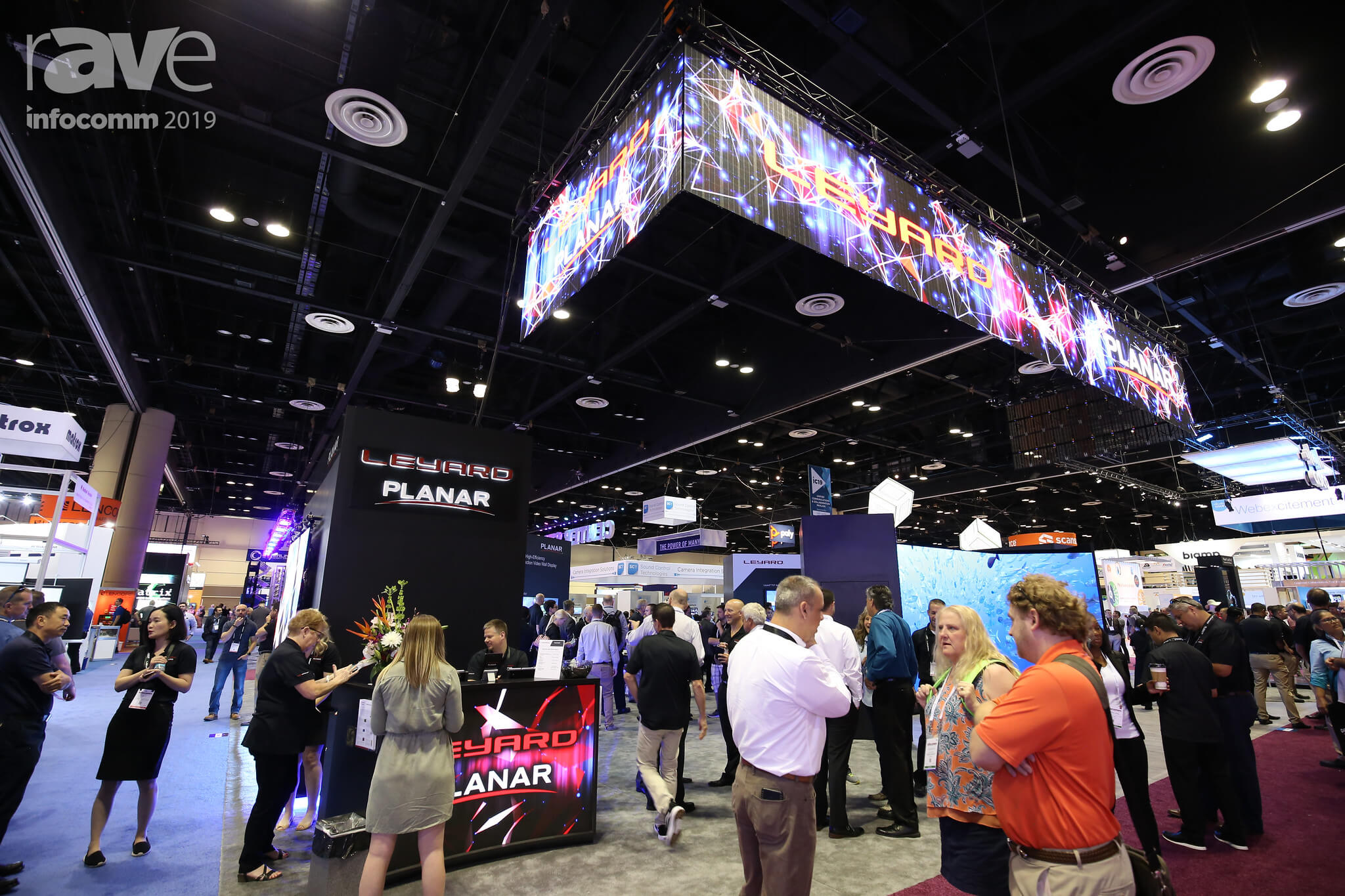
Big, Giant Images Rule: Over the past decade, InfoComm has attracted some giant LED products. And, most were outdoor LED — so bright, you needed sunglasses to walk by their booths. Now, that’s moved indoors with a plethora of fine-pitch products. All the LEDs can be categorized into two big, giant camps: LED and MicroLED, for the most part. The LEDs are now capable of doing pixel pitches as small as 0.6 millimeters (prototypes though). The finest pixel pitch that’s shipping, however, is the 0.7 mm products and the best on the show floor was Leyard’s. I did a booth tour of their booth too and the 0.7mm was featured — it’s here.
In the MicroLED camp, where there were two, there are now three. Add LG to that camp as they showed one at InfoComm. MicroLEDs are smaller than half of the thickness of a human hair — in fact, LG’s uses LEDs that are 50 microns — smaller than the period at the end of this sentence on your screen. Of course, Sony and Samsung already had one. Sony now has a portable version for rental/staging applications, too! Here’s an interview I did with Sony’s Kevin O’Connor — an expert on MicroLED at Sony. Anyway, with MicroLED, we’re literally looking at the future of displays. They’re stunning but also garner pricing like $300,000 for a 130″ version. You’ll start to see them in movie theaters if Samsung and Sony have their way.
Dante, Dante, Dante: There may not be a standard for AV-over-IP but there sure is one for audio-over-IP: Audinate’s Dante. Dante is used by over 340 companies now to make thousands of products send audio on and off a network. And, as you likely know, they want to help with video, too.

SSD Mission Accomplished: The five-year mission to convert everyone from lamp-based projection to lLaser and LED projection is complete — and it only took four-years. Gone are the days of the lamp replacement companies exhibiting at InfoComm. In fact, if you wanted to buy a lamp-based projector, InfoComm would have been a terrible show to attend. It’s laser, laser, laser and some LED — with Casio leading the LED-charge. Speaking of Casio, they did launch a native 4K, sub-$7,000, 5,000 lumen projector — with a center-mounted lens, too! Epson, Sony, NEC, Christie, Barco, BenQ, Optoma and a handful of other companies showed native 4K laser projectors but DPI wins the resolution war as they had an 8K laser — you can see it here.
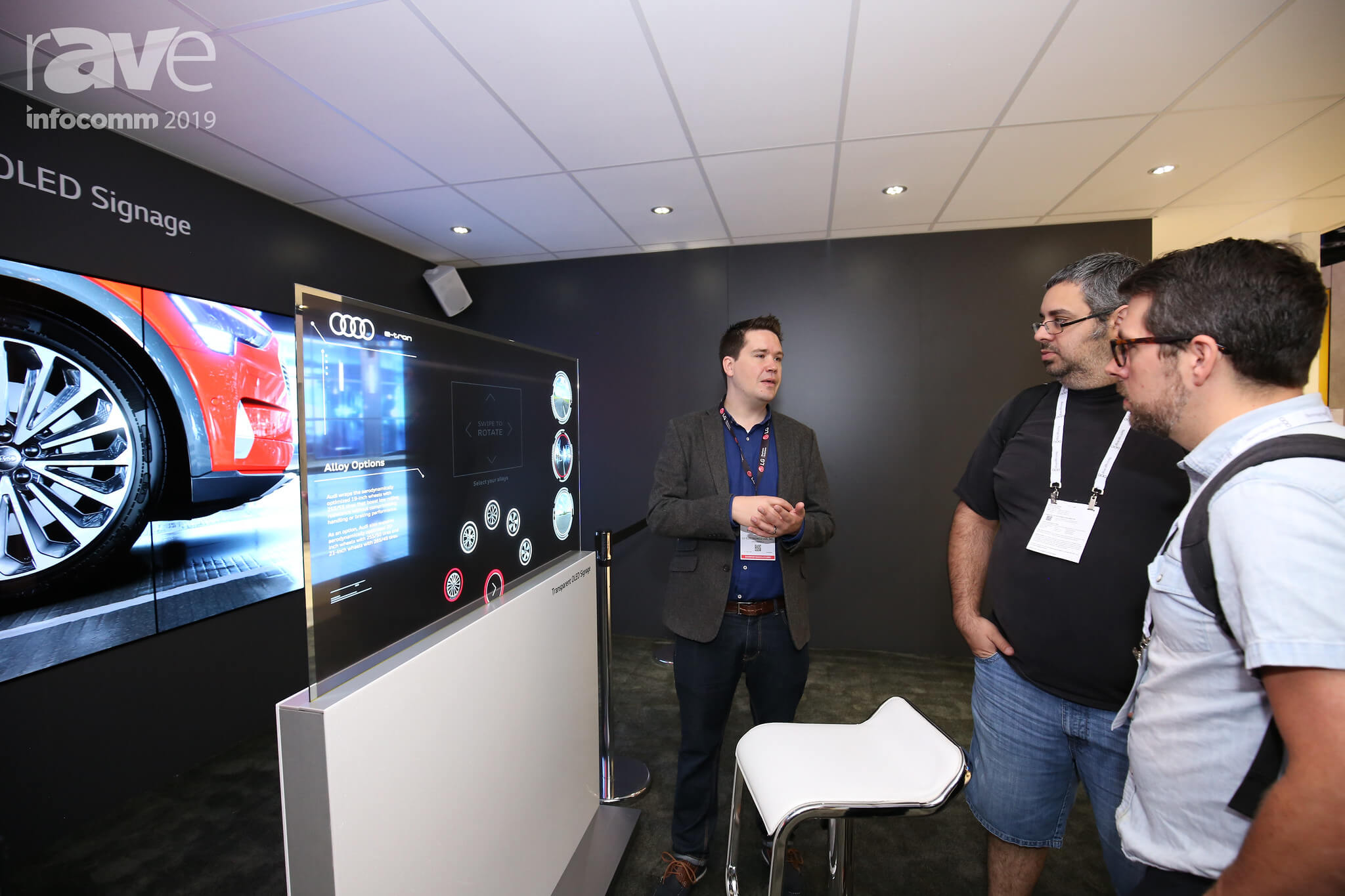
The Transparent Minority Report Effect: Remember that scene a the beginning of the movie Minority Report when Tom Cruise’s character, Chief John Anderton, is working on a large see-through display to catch pre-crime criminals? Well, LG, the leading transparent OLED manufacturer in the world, had a demo in their booth providing the best use-case for a transparent display since that movie debuts in 2002. The demo, which you can see the video of by simply clicking on this sentence, allows a customer to design-and-build an Audi car right before their very eyes. It’s kick-butt cool. Watch it! But, LG wasn’t the only one with transparent OLEDs on the show floor — enter Leyard and Planar with their all-new 55” OLED-based LookThru displays. This is second generation for them and was displayed with a cool floor-based LED superstructure that I loved!
Pre-Packaged LEDs: Speaking of LEDs, now’s a good time to mention that one of the biggest trends in LED at InfoComm 2019 was pre-packaged systems (i.e., all-in-one LEDs). In other words, LED systems that come pre-packaged with the tiles, frame, audio, speakers, integrated video and audio processing, stand and simple, LCD monitor-like connectivity (e.g., HDMI). If you’re not sure what I mean, take a look at these two videos — this 130″ one’s from Optoma and this one, also 130″, is from LG. Nearly every major LED company had one including Absen, Samsung, NEC, Clear Touch, CreateLED and Unilumen.
Immersion/Digital Canvasing: Some five years ago, I started using the term “digital canvas” to describe what I saw as the future of these high resolution displays. Of course, I certainly see the value of a 4K or even an 8K display being image quality but, for me, even more important than that is pixel density. Technically, you may think they are the same thing, but they aren’t. Imagine taking a wall and, instead of putting up a screen that was appropriately spec’d for the size of the room to accommodate the least-favored viewers (those siting in the back-left and back-right corners of the room), you projected on the entire wall — wall to wall, floor to ceiling. In other words, creating a giant digital canvas that could project all your content for a meeting, simultaneously (i.e., a giant digital canvas) — think seamless video wall inside every room. Of course, using a video wall processor, we could have always done this, but if you blow-up a FullHD 1080p image to be 12’ high (ceiling height) and, thus, 21’ wide (for a 16×9 aspect ration to accommodate 1920×1080), then you’re left with much of the room — especially those sitting close to the screen — seeing a bunch of pixels rathe than a seamless image.
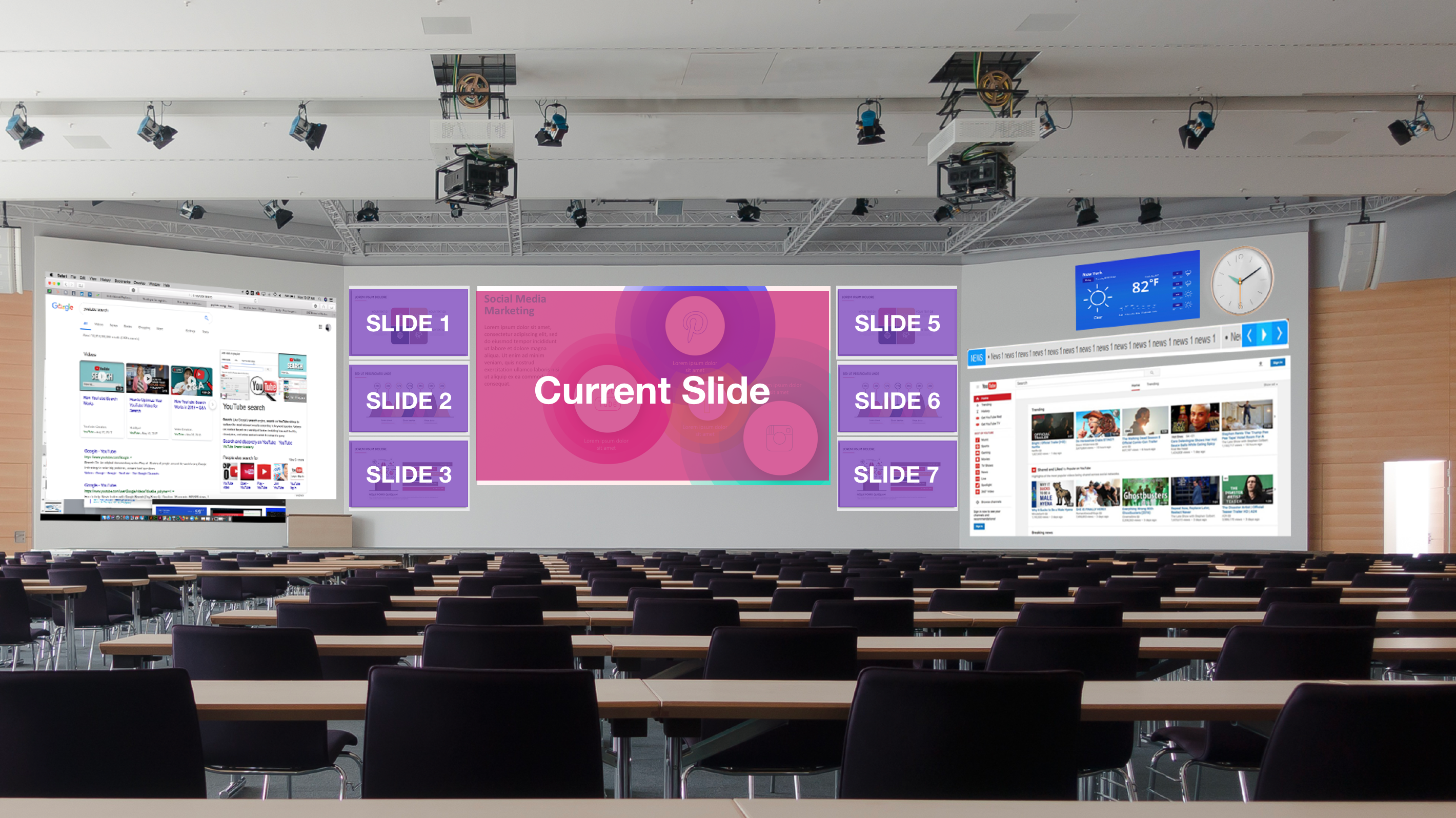
Well, it’s finally become a thing. Nearly every projector manufacturer showing 4K projectors talked about how the pixel-density of 4K increased the content capabilities of projection. Of course, most of them called this “immersion.” And, they’re right — maybe that’s a better term than digital canvassing. Either way, immersing someone in content means they’re transported inside the meeting in an entirely new way. And, for Millennials and Gen-Z’ers who grew up in immersive VR-style gaming or who regularly use two screens at the same time, this type of immersion is normalized for them. But, for older AV’ers, this could be overwhelming — some people may just prefer the concept of just having one thing on the screen at one time. But, isn’t it nice to be well on our way in truly immersive experiences? And, InfoComm had plenty of them.
1,640 Videos: You didn’t get to go to InfoComm? Well then, let us take you there! Our team of rAVe Videographers shot 1,640 videos in and around InfoComm 2019 and ALL of them are in one place on one site — our InfoComm 2019 Microsite: rAVePubs.com/InfoComm2019. Oh, we also recorded 101 podcasts (yes, 101), wrote up 350+ new product news stories and took 2,000+ photos while on the show floor! So, enjoy “virtually” going to InfoComm 2019 — without the Orlando heat!